AGP Picks
View all

Keeping up with travel and tourism news from Eritrea

Provided by AGP

Got News to Share?

AGP Executive Report

Your go-to archive of top headlines, summarized for quick and easy reading.

Note: These AI-generated summaries are based on news headlines, with neutral sources weighted more heavily to reduce bias.

Press Freedom Shock: Reporters Without Borders says the World Press Freedom Index hit its worst average score in 25 years, with legal rules worsening most fast—Eritrea stays at the bottom. UK Channel Crisis: Britain has now logged 200,013 small-boat arrivals since 2018, after 70 migrants landed in one trip—while at least eight have died this year. Eritrea in the Spotlight: Eritrean Catholics marked Mariam Dearit with pilgrims from across the region, while another report highlights how Eritrean refugees—though fewer in number—keep taking up outsized space in African news coverage. Red Sea Diplomacy: Fresh reporting claims the US is quietly normalizing ties with Eritrea, eyeing Red Sea trade routes as missile-and-drone tensions keep rising. Travel Watch: Canada’s updated advisory lists Eritrea at “avoid non-essential travel,” reflecting broader disruption concerns.

Over the past 12 hours, coverage touching Eritrea in a travel-context is limited and largely indirect. The most Eritrea-specific item is a library event announcement: a “Globe Trotters: Travel to Eritrea” program scheduled for May 12, framed as a family-friendly, hands-on STEAM activity. Other very recent articles in the set focus on non-Eritrea topics (local events, food openings, and refugee stories in Scotland), so there’s not enough fresh, Eritrea-focused reporting in the last day to suggest a major new development.

In the 12–24 hours window, Eritrea appears mainly within broader UK migration and travel-policy coverage rather than standalone Eritrean news. One article reports that only a small fraction of “failed asylum seekers” are returned, including a specific breakdown for Eritreans (64 returned home and 1,269 rejected for asylum). Another item notes that Canada’s updated travel advisories include Eritrea at “Level 3 - Exercise a High Degree of Caution,” again placing Eritrea within a wider global disruptions/travel-warning context rather than a new Eritrea-specific incident.

From 3 to 7 days ago, the set becomes more substantial for Eritrea-related themes, but still not all of it is “travel” in the narrow sense. There is renewed attention to U.S.–Eritrea normalization efforts—framed as a recurring cycle of exploratory diplomacy that has “kept failing,” with reporting that Washington is testing re-engagement amid Red Sea volatility. Separately, Eritrea is mentioned in a UK deportation/removals context (including a report about forced separations during Channel crossings that includes an Eritrean child among injured nationalities), and there is also a legal case involving an Eritrean asylum seeker in the UK convicted of sexually assaulting a 15-year-old—again, not travel guidance, but relevant to how Eritrean migrants are covered in destination-country news.

Overall, the evidence in the most recent 12 hours is sparse and mostly event-based (a “Travel to Eritrea” library program), while the stronger continuity comes from older material: UK asylum/return statistics involving Eritreans, Canada’s travel advisory classification, and ongoing reporting about U.S.–Eritrea diplomatic re-engagement tied to Red Sea security. If you want, I can extract just the Eritrea-specific items (titles + what they say) into a short checklist for quick reference.

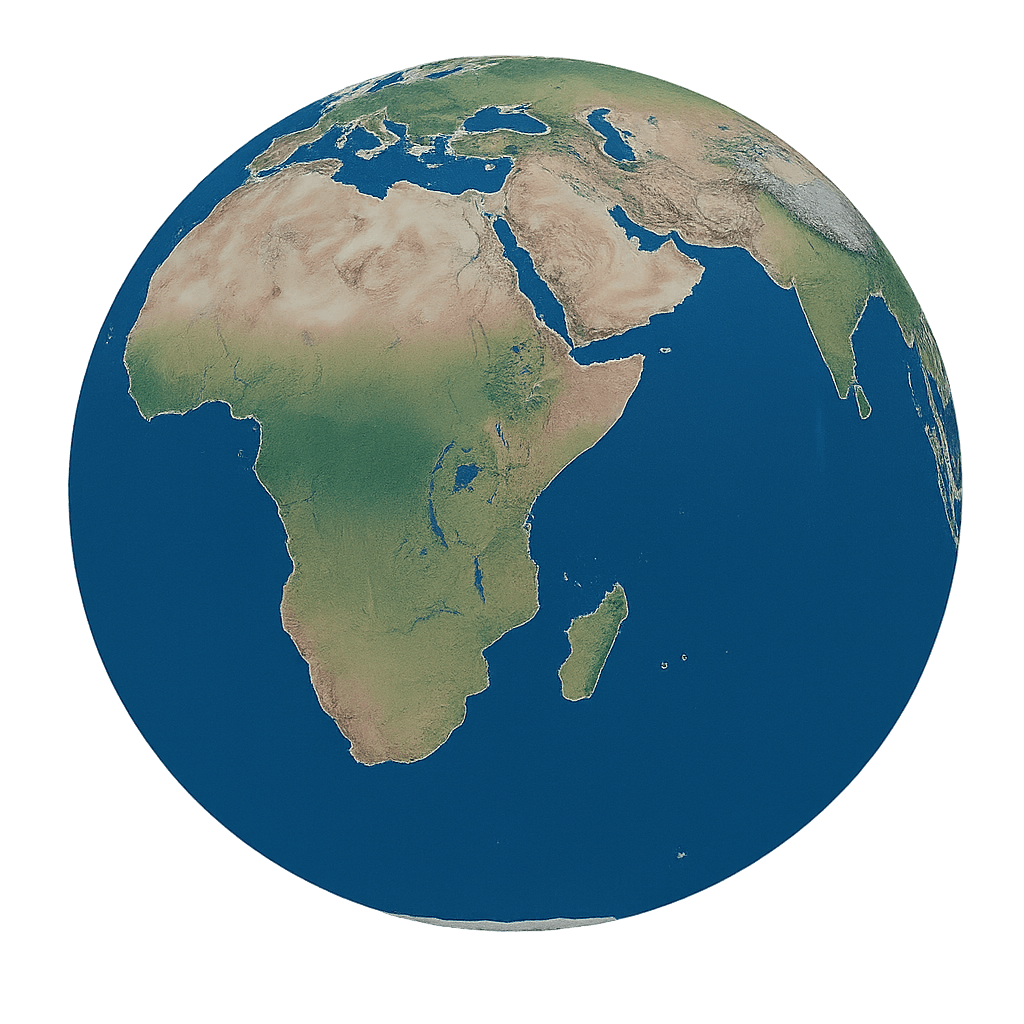
In the last 12 hours, coverage touching Eritrea is dominated by UK asylum-return statistics and broader UK border/security context. One report says that in some cases “as few as one in 100” failed asylum seekers are returned, with return rates varying sharply by country of origin. It cites Eritreans as among the most common nationalities among small-boat migrants, but with a very low return rate: 64 Eritreans returned home versus 1,269 refused asylum. The same news cycle also frames the issue alongside UK national security concerns, noting the UK raised its terror threat level to “severe” after a recent attack, while small-boat arrivals near the 200,000 mark since 2018—linking migration politics to national security debate.

Other very recent items are less Eritrea-specific but still relevant to travel and mobility. A separate report discusses Canada’s updated travel warnings, listing Eritrea at “Level 3 – Avoid Non-Essential Travel,” alongside Ethiopia and other countries, and attributing disruptions to escalating diplomatic tensions and knock-on effects like fuel constraints and airspace restrictions. While not Eritrea-only, this reinforces a theme of travel risk being shaped by wider regional instability and logistics pressures.

Looking across the broader week, several stories provide continuity on mobility constraints and aviation/travel policy. IATA’s Africa-focused reporting highlights structural barriers to air travel growth—safety gaps, high operating costs, and “blocked airline revenues”—and specifically notes that aviation taxes and charges in Africa are about 15% above the global average, naming Nigeria among higher-cost markets. Passport and visa-access coverage also continues the theme: Henley Passport Index reporting places Eritrea near the bottom in press-freedom context (via RSF comparisons) and, in general, underscores how geopolitical stability affects travel freedom (with multiple articles focusing on Henley rankings and visa-free access trends).

Finally, there is a notable thread of Eritrea-related geopolitics and diplomacy, though the evidence is older than the last 12 hours. One report says the US is again testing normalization with Eritrea, citing quiet Egypt-brokered talks involving Massad Boulos and President Isaias Afwerki, with the Red Sea security environment described as a key driver. Another older piece frames Eritrea within a larger pattern of “why U.S.–Eritrea normalization keeps failing,” suggesting repeated cycles of exploratory engagement without durable outcomes—useful background for interpreting why Eritrea continues to appear in international policy discussions.

Over the past 12 hours, the most prominent travel-related development affecting Eritrea appears in Canada’s updated guidance: Canada places Eritrea at “Level 3 – Avoid Non-Essential Travel” while also citing broader “global disruptions” that are affecting fuel supplies, transportation networks, and air travel through delays, cancellations, and rerouting. In the same window, UK-focused coverage highlights a passport-page rule—a list of 40 countries where UK travelers may be turned away if they lack two blank pages—alongside general travel-advisory and mobility stories. Separately, the coverage includes a broader discussion of UK migration enforcement and a “grim milestone,” but the evidence provided is not Eritrea-specific beyond the mention of Eritrea in the Canadian advisory list.

In the 12–24 hour range, the coverage continues to frame mobility and travel access through passport and aviation policy signals. A Henley Passport Index update notes that Nigeria’s passport ranking improved while visa-free access fell, underscoring that “rank” and “practical access” can diverge. Another article urges African governments to prioritize aviation for growth, aligning with a recurring theme across the week: travel and connectivity are constrained not only by security conditions but also by aviation costs and operational barriers.

From 24 to 72 hours ago, Eritrea-related context is more geopolitical than administrative. One report discusses U.S.–Eritrea normalization efforts as part of a broader Red Sea strategic calculus, describing quiet talks and the idea that Eritrea’s Red Sea position makes it valuable amid regional chokepoint risks. In parallel, multiple items focus on regional instability and cross-border movement systems (including trafficking reporting and conflict-related situation reporting), reinforcing that travel risk and mobility constraints are being shaped by wider security dynamics rather than a single Eritrea-only event.

Across the 3 to 7 day range, the strongest continuity is the repeated emphasis on aviation and mobility constraints in Africa—including IATA’s warnings about safety gaps, high charges, and blocked airline funds—and the way these factors affect travel costs and connectivity. There is also additional Eritrea-adjacent coverage on asylum and deportation outcomes in the UK (including Eritrean asylum seekers’ low removal rates), plus a separate Eritrea-specific criminal case involving an Eritrean asylum seeker in the UK. However, the evidence in this older set does not show a new Eritrea-specific policy shift—rather, it provides background on how Eritreans are affected by travel, asylum, and regional mobility conditions.

Sign up for:

Eritrea Travel Wire

The daily local news briefing you can trust. Every day. Subscribe now.

By signing up, you agree to our Terms & Conditions.

Share us

on your social networks:

Sign up for:

Eritrea Travel Wire

The daily local news briefing you can trust. Every day. Subscribe now.

By signing up, you agree to our Terms & Conditions.